 Shoopy
 Quick-commerce software for local retailers in India: what each platform is built for
Shopify, WooCommerce, Hyperzod, Yelo, StoreHippo, Dukaan and Shoopy sorted by the local business each serves — and why the delivery apps and fleet tools are a different question.
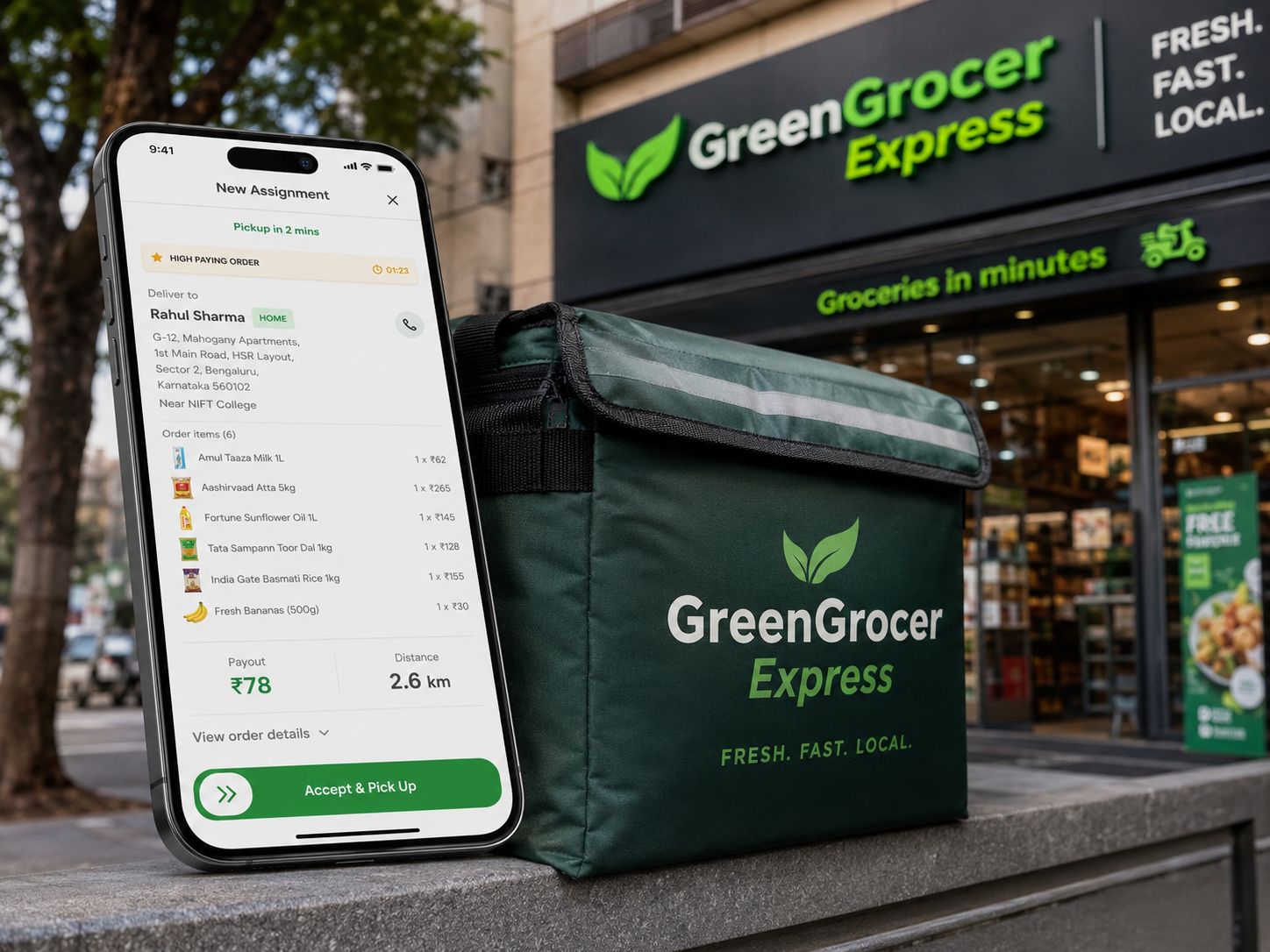
“Quick-commerce software” is one search phrase for three different products. The first is the apps themselves — Blinkit, Zepto, Swiggy Instamart. They are consumer apps run by those companies, with their own dark stores and delivery networks. A retailer cannot buy them as software; they are the competition the question is about. The second is fleet software — Tookan, Onfleet and others — which plans routes and tracks riders but does not sell anything. The third is what a local retailer searching the phrase usually means: software that puts one shop online, takes orders from customers nearby, and gets them delivered fast under the shop’s own name. Searches also call that third product “hyperlocal ecommerce platform”, “local delivery software” or “ecommerce platform with delivery zones”. It is the same need.
This article sorts the platforms a search returns by which of those three jobs each is built for, and for what kind of business. Everything below is read from each platform’s own public pages on 1 September 2026. Prices change; check the linked pages before you decide.
The short version
Sorted by the kind of business, not by rank:
- One shop, or a few, delivering to the neighbourhood under your own name: Shoopy — delivery zones, time slots and a rider app are in the plan, and there are live stores to look at.
- An online store on Shopify that also delivers locally: Shopify’s local delivery, free on any plan.
- A developer-led store: WooCommerce shipping zones by postcode, with extensions for the rest.
- A quick-commerce brand or a marketplace of many shops, priced in dollars: Hyperzod or Yelo.
- An enterprise dealer network or hyperlocal marketplace: StoreHippo, or Fynd.
- Already have a store and only need the riders managed: fleet software such as Tookan or Onfleet, running beside the store.
The reasoning, with sources, follows.
What quick commerce actually needs
Before comparing names, six checks separate software built for fast local delivery from an online store with a “shipping” setting:
- Delivery zones with their own charge and promised window. Two kilometres in thirty minutes for one charge; six kilometres by evening for another.
- Serviceability by the customer’s location — a pincode or a map pin, checked before the basket is filled, not at checkout.
- Time slots and opening hours. An order placed at 11 pm is promised for when the shop opens, not “soon”.
- A minimum order or a free-delivery threshold. Baskets are small; the maths has to work per trip.
- A storefront built for small baskets — category first, quick-add buttons, repeat orders in one tap.
- Riders who get the job without a phone call: the assignment, the address and the status in an app, with the customer watching the order move.
Two more questions sit behind those. Do the counter and the website sell from one stock count? A shop that also sells online cannot promise the last packet twice. And what does each order cost you? The delivery apps take a commission. Some software charges a fee per order too, and some charges per module per month in dollars. It is the difference between a flat plan and a cut.
Platforms, and what each is built for
Shopify
Shopify’s local delivery page says local delivery “is available for free on any Shopify plan”, that you can “define multiple delivery zones and use a radius or a list of zip/postal codes”, and charge “custom price conditions for each zone”. Delivery staff use the Shopify Local Delivery app, “with a built-in driver view”, on iOS or Android, to follow routes and update delivery status. Plans start at ₹1,499 a month paid yearly on the India pricing page. Delivery time slots are not on the page we read; check before you rely on them.
Built for: an online store that also delivers to customers nearby. Our page-by-page comparison is at Shopify vs Shoopy.
WooCommerce
WooCommerce is a free plugin for WordPress. Its shipping zones can be “as specific as you need” — down to “specific postal/zip codes” — and “each customer matches only one shipping zone”. Local pickup is a core method. Time slots, a rider app and location-based availability are not in the core; they come from extensions in the WooCommerce marketplace, and hosting, security and updates are yours to run.
Built for: businesses with a developer who want full control and are happy to assemble the delivery pieces themselves.
Hyperzod
Hyperzod describes itself as a quick-commerce platform — “Deliver in Minutes” — for a single store, a multi-branch business or a multi-vendor marketplace, with “radius / geofence-based service areas” and “distance-based delivery fee configuration”. Its pricing is per module, per month, in US dollars: Ordering Website $29, Ordering App $99, Merchant App $79 and Driver App $79. On top of that, “a flat 0.99% success fee is charged on each order”, and there is a one-time setup fee of $300 per module. A shop that wants the website, the ordering app and the driver app pays $207 a month plus 0.99% of every order, before setup.
Built for: quick-commerce start-ups and marketplaces that price in dollars and want the marketplace option open.
Yelo
Yelo, from JungleWorks, sells three shapes: Store (one shop), Brand (several shops, one brand) and Marketplace, all with “hyperlocal delivery & geofencing”. Its pricing page lists the Store plan at $199 a month billed annually, with 12,000 orders a year included and $0.10 for each order beyond that, plus a one-time setup cost of $3,000. Driver apps come through Tookan, the same company’s fleet product, and are bundled in its higher tiers.
Built for: hyperlocal marketplaces and multi-store brands with a dollar budget and a launch project.
StoreHippo
StoreHippo’s hyperlocal page is written for enterprises and marketplaces: “hyperlocal substores”, “nearest-store order routing”, products and prices “tailored to specific geolocations or PIN codes”, a built-in Android and iOS app builder, and “delivery boy management” so that dealers can assign and track deliveries. Its case studies on that page are Amul and Urvann. Pricing is not on the page we read; it has a separate pricing page.
Built for: brands with dealer networks and operators of hyperlocal marketplaces.
Dukaan
Searches for India often surface Dukaan. As of 1 September 2026 we could not find delivery zones, time slots or a rider app on its pricing or home pages; its delivery feature is described as “your pan-India hassle-free shipping partner”, which is courier shipping rather than local delivery. If you are considering it, ask directly.
Shoopy
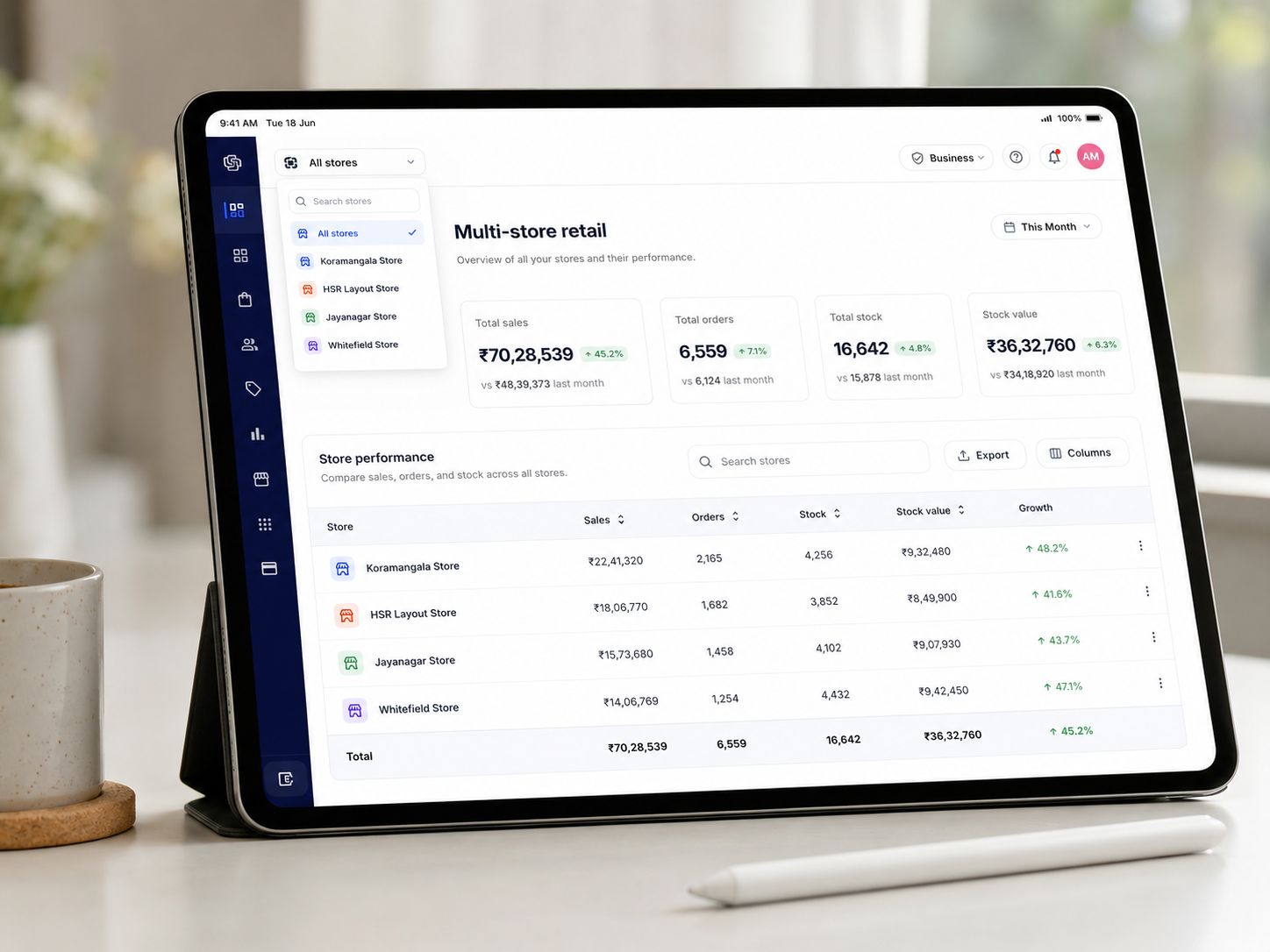
Shoopy is an India-first ecommerce platform built for the third meaning of the phrase: one shop, online, delivering to the neighbourhood under its own name. Its quick-commerce setup is delivery zones drawn around the shop, each with its own charge and a promised window — 10-minute, 30-minute or 1-hour windows where you can keep them — plus time slots, grocery themes built for small baskets, and stock that moves with every sale at the counter and online. Riders use the Shoopy Delivery Partner App, which the store owner uses “for assigning local deliveries using the staff”; riders join by invitation from the store’s admin, new assignments arrive live with the customer’s address, and delivery is confirmed at the door with the customer’s OTP and a photo of the packet. Your own branded app is on the plan ladder too. In India there is no commission up to your plan’s yearly order limit, then a small capped fee; the pricing page states every number.
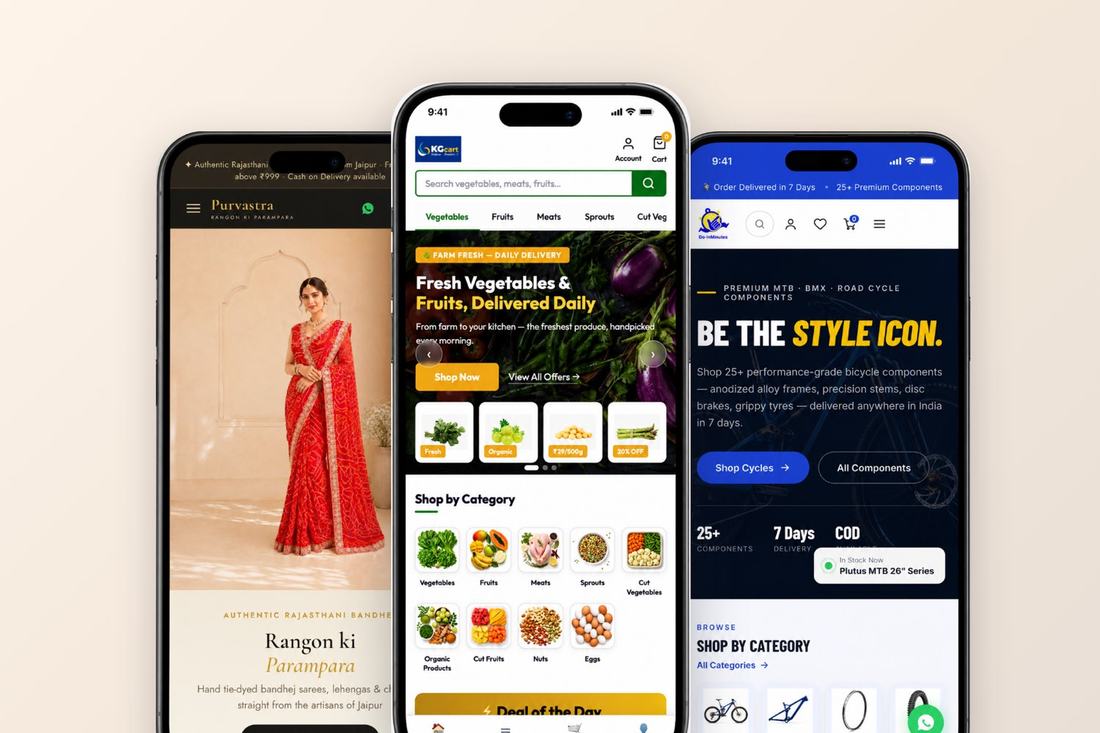
The live stores are the better argument. Tenat calls itself “Ibrahimpatnam’s own quick-commerce platform”, delivering daily essentials in minutes in that Telangana town, with its own Android and iOS apps. HY Mini Mart in Dholpur, Rajasthan, sells groceries online with same-day or next-day delivery by serviceable pincode. FreshMandi in Bilaspur, Chhattisgarh, delivers fruit, vegetables and dry fruits from its website and its own Android and iOS apps. Grosale runs its grocery store and branded Android app on Shoopy. UBB Bazaar in Bengaluru shows the hybrid shape: Odisha regional foods shipped across India in 48 hours, with fresh vegetables on an express lane for Bengaluru only — one store, two delivery speeds. And outside India, Souq Al Fresh in Abu Dhabi runs fresh produce delivery with four delivery slots a day, in Arabic and English, on a Shoopy store with its own Android and iOS apps. All of these are built on Shoopy; what we state about each is what its own site or app listing says.
Built for: one shop to a few, selling to the neighbourhood online and at the counter from the same stock, under the shop’s own name.
A note on Fynd and the fleet tools
Fynd lists a “quick commerce website — storefronts
- OMS + logistics optimized for 10–30 minute deliveries”; it is an enterprise platform, and a chain with those requirements should take them to Fynd directly. Tookan and Onfleet are fleet software: dispatch, route planning, live tracking and a driver app. They do not run a store. They sit beside a store platform for a business whose riders have outgrown the built-in tools, not instead of one.
Side by side
| Platform | Built for | Delivery zones and charges | Time slots | Rider app | How it is priced |
|---|---|---|---|---|---|
| Shopify | An online store that also delivers locally | Yes — radius or postcode list, a rate per zone | Not stated on the page we read | Yes — Shopify Local Delivery app | Plan subscription; local delivery free on any plan |
| WooCommerce | Developer-led stores | Zones by postcode, in the core | Via an extension | Via an extension | Free plugin; hosting and extensions are yours |
| Hyperzod | Quick-commerce brands and marketplaces | Yes — radius or geofence, distance-based fee | Yes — order scheduling | Yes — $79 a month module | Per module per month in USD, plus 0.99% per order, plus setup |
| Yelo | Hyperlocal marketplaces and multi-store brands | Yes — geofencing | Not stated on the page we read | Via Tookan, in higher tiers | From $199 a month billed annually, plus $3,000 setup, plus per-order beyond quota |
| StoreHippo | Enterprise dealer networks and marketplaces | Location-based products by PIN code; substores | Not stated on the page we read | “Delivery boy management” for dealers | Not on the page we read |
| Dukaan | — | Not found on the pages we read | Not found | Not found | Plan table not readable; ask |
| Shoopy | One shop to a few, under its own name | Yes — zones with a charge and a promised window each | Yes | Yes — Delivery Partner App, with OTP and photo proof of delivery | Flat yearly plan; 0% commission up to the plan’s order limit |
“Not stated” means exactly that: the page we read on 1 September 2026 did not say. Ask the vendor.
Which quick-commerce software is best? Decide by shape
- One shop, delivering nearby? Choose software where a delivery zone is a setting, not a project, and check who owns the customer: the name, the number and the order history should sit in your dashboard, not the platform’s. That is what Shoopy is built for — see how quick commerce runs on Shoopy.
- A few outlets under one brand? You also need stock counted per outlet and the order reaching the outlet that serves the customer. See multi-location retail on Shoopy.
- A marketplace of many shops, or a quick-commerce start-up? Hyperzod, Yelo or StoreHippo; budget in dollars and for the setup fee.
- A dealer network or a national chain? StoreHippo or Fynd; bring the requirements.
- A store you are happy with, and riders you are not? Fleet software — Tookan, Onfleet — beside the store you have.
Questions people ask
What is quick-commerce software?
The term is used three ways: the consumer delivery apps themselves (Blinkit, Zepto, Instamart), fleet software that routes and tracks riders, and store software that puts a shop online with delivery zones, time slots and riders under the shop’s own name. A local retailer choosing software means the third.
Can I buy Blinkit or Zepto as software for my shop?
No. They are consumer apps run by those companies, with their own dark stores and delivery networks. The software a retailer can buy is the kind in this article: a store platform with local delivery built in, or fleet software for the riders.
Which ecommerce platforms have delivery zones?
From their own pages on 1 September 2026: Shopify (multiple zones by radius or postcode list, free on any plan), WooCommerce (shipping zones by postcode in the core), Hyperzod and Yelo (radius or geofenced service areas), StoreHippo (location-based products by PIN code) and Shoopy (zones around the shop, each with its own charge and promised window). We could not find zones on Dukaan’s pages.
Does Shoopy support delivery zones, time slots and a rider app?
Yes. Zones are drawn around the shop with a charge and a promised window each, orders are taken in time slots, and riders use the Shoopy Delivery Partner App on Android, joining by invitation from the store’s admin and confirming each delivery with the customer’s OTP and a photo of the packet. Tenat, HY Mini Mart and FreshMandi run this setup today in Telangana, Rajasthan and Chhattisgarh; the Tenat story shows the setup in detail.
Still deciding? Book a demo and see delivery zones drawn around a shop like yours.